
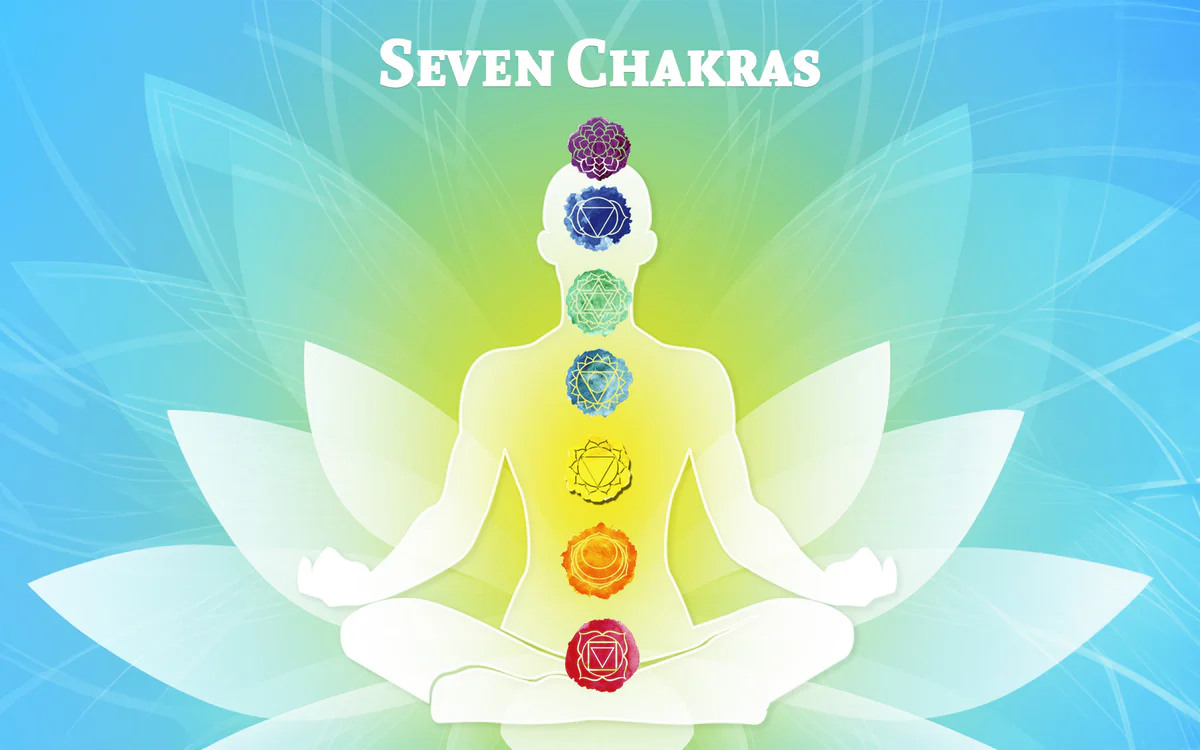
Yoga involves more than physical postures, breathing, or meditation. A crucial aspect of yoga is the chakras, which are energy centers in the body. Understanding chakras can help you balance your mind, body, and spirit. In yogic tradition, there are 7 chakras in the human body, each representing different areas of life and consciousness.
Studying chakras goes beyond theory. Each chakra has a vibration, color, and energy that affect our emotional and physical health. By practicing yoga, pranayama, and meditation, you can activate and balance these energy centers. In this blog, we will explore the different chakras, their meanings, and how they guide us on our yoga journey.
1. What Are Chakras in the Human Body?
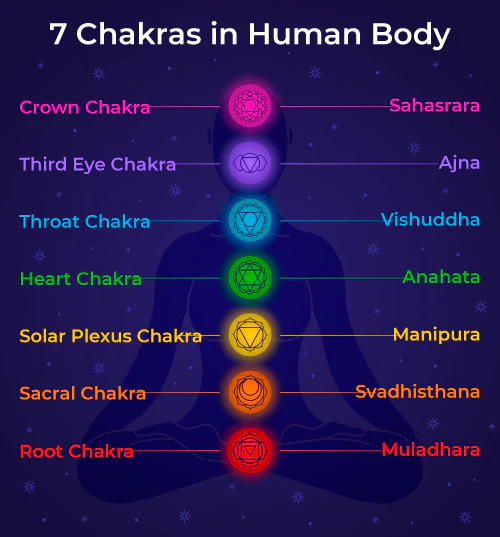
To grasp the role of chakras, we first need to understand what they are. The word “chakra” means wheel or disk, symbolizing a spinning center of energy. There are 7 chakras in the human body, aligned from the base of the spine to the crown of the head.
These energy centers are believed to control the flow of prana, or life energy. If the chakras are blocked, you might experience physical illness, mental stress, or emotional imbalance. When balanced, you feel harmony, confidence, and a connection to the spiritual realm.
Each chakra serves a different function. For instance, the root chakra offers stability, while the crown chakra links you to higher consciousness. By understanding chakras, yoga practitioners can pinpoint which life areas need healing and focus their practice accordingly.
The 7 chakras and their significance show how intertwined the physical body and spiritual energy truly are.
2. The 7 Chakras in the Human Body and Their Significance
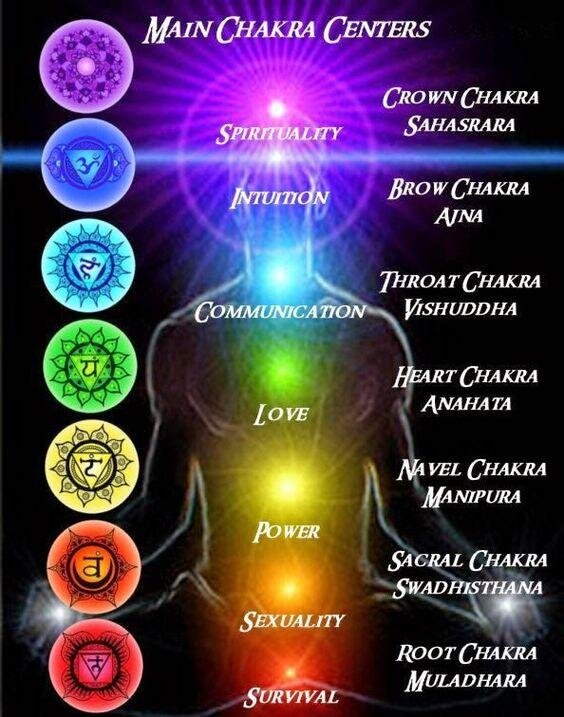
The role of chakras becomes clear as we look at the 7 chakras and their significance:
1. Root Chakra (Muladhara): Security and grounding
2. Sacral Chakra (Swadhisthana): Creativity and emotions
3. Solar Plexus Chakra (Manipura): Confidence and power
4. Heart Chakra (Anahata): Love and compassion
5. Throat Chakra (Vishuddha): Communication and truth
6. Third Eye Chakra (Ajna): Intuition and wisdom
7. Crown Chakra (Sahasrara): Spiritual connection
When you study chakras, you see how each one influences not just the body but also thoughts, feelings, and actions. A blocked heart chakra may lead to struggles in relationships or forgiveness. A weak throat chakra could make communication challenging.
Knowing these chakra names helps yoga practitioners target specific areas during meditation or posture practice. Balancing the chakras promotes overall well-being.
3. The Role of Chakras in Daily Yoga Practice
A practical way to grasp chakras is by integrating them into your daily yoga routine. Each posture (asana), breathing technique, and meditation style can activate a particular chakra.
For example:
– Tree Pose strengthens the Root Chakra.
– Meditation focused between the eyebrows activates the Third Eye Chakra.
Aligning yoga with the role of chakras makes your practice more meaningful. Instead of merely stretching or exercising, you also balance your energy centers. This approach improves emotional stability, physical health, and spiritual awareness.
Many practitioners feel that yoga lacks completeness without understanding chakras. By intentionally working on the 7 chakras, you can harmonize all aspects of life.
4. How to Identify Blocked Chakras
Another key part of understanding chakras is recognizing when they are blocked. Persistent stress, fear, or confusion may indicate an imbalance in your energy centers.
A blocked Root Chakra can cause insecurity.
A weak Sacral Chakra may lead to emotional instability.
If the Third Eye Chakra is closed, your intuition might feel unclear.
Yoga, pranayama, and meditation can help clear these blockages. When the chakras flow freely, you feel healthier and more confident. Understanding chakras also aids in self-healing by connecting body signals with energy balance.
5. Body Chakra Names and Their Energy Flow
To explore chakras further, let’s look at the body chakra names and their energy flow:
– Muladhara (Root): Foundation of survival
– Swadhisthana (Sacral): Emotional creativity
– Manipura (Solar Plexus): Personal power
– Anahata (Heart): Compassion and love
– Vishuddha (Throat): Truthful expression
– Ajna (Third Eye): Intuition and insight
– Sahasrara (Crown): Connection to the divine
Each chakra plays a unique role in physical and spiritual growth. Energy flows upward from the base to the crown. A balanced flow is essential to fully appreciate the role of chakras in yoga.
6. Meditation and the Role of Chakras
Meditation is vital for understanding chakras. While yoga asanas prepare the body, meditation focuses the mind on the energy centers.
By sitting in silence, breathing deeply, and visualizing each chakra, you can activate them one by one. For example, imagining a red light at the base of your spine activates the Root Chakra. Visualizing a violet light above your head connects you to the Crown Chakra.
This practice balances the 7 chakras and highlights their significance, enhancing your yoga experience. The role of chakras is to guide you toward inner peace and self-awareness.
7. The Spiritual Role of Chakras in Yoga
The deeper role of chakras is spiritual growth. While the physical body practices yoga, the energy body expands through the chakras. By balancing the different chakras in the body, you open pathways to higher consciousness.
Chakras are not just for physical healing; they also help you connect with your true self. Yogis believe that awakening the Crown Chakra is the highest spiritual goal. This can only happen when the lower chakras are balanced and aligned.
The role of chakras shows us that yoga is not just a workout; it’s a journey toward enlightenment.
Conclusion
Chakras play a fundamental role in yoga. They connect the physical body with spiritual energy. By learning about the 7 chakras and their significance, you see how each energy center affects health, emotions, and consciousness.
Through yoga, meditation, and mindfulness, you can balance the energy chakras and live with peace and strength. Remember, the role of chakras is not just theory; it’s a daily practice of harmony between body and mind.
